



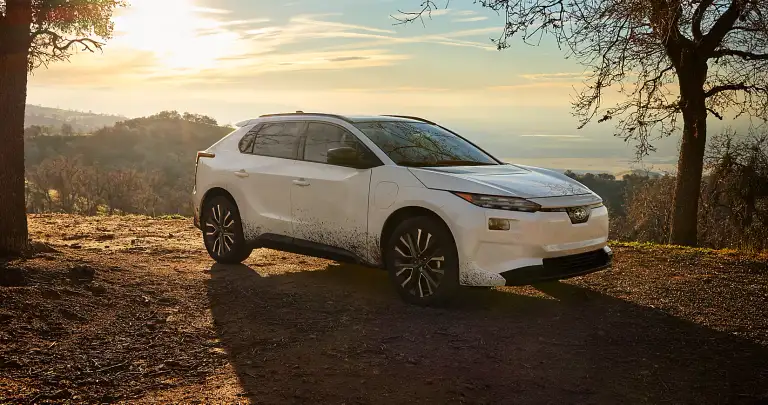
Solterra image placeholder
Subaru Solterra
The all electric Subaru SUV with standard Symmetrical All Wheel Drive and fast charge capability.
Explore Subaru hybrid and all electric options at Wilsonville Subaru. Learn the basics, understand EV charging, and find the right powertrain for commuting, family driving, and weekend adventures.
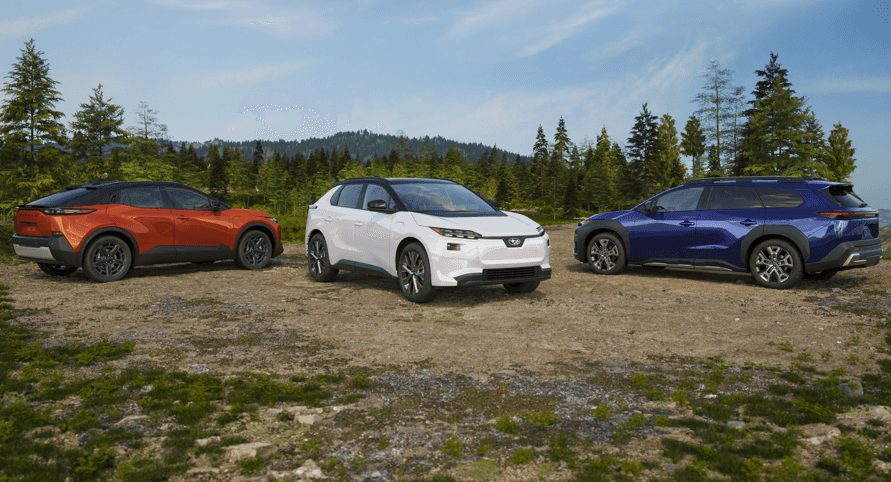
Subaru EVs offer quiet driving, instant torque, and convenient charging options. Explore the lineup available now and reserve future EV models coming soon.
The all electric Subaru SUV with standard Symmetrical All Wheel Drive and fast charge capability.
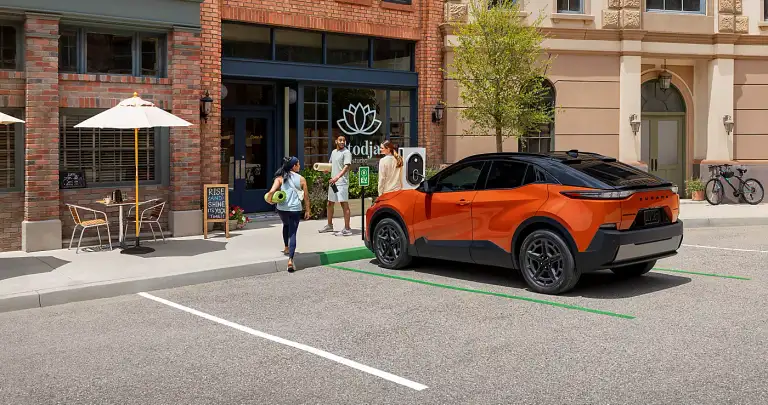
Subaru Uncharted brings together practical SUV versatility, advanced engineering, and the capability drivers expect from Subaru.
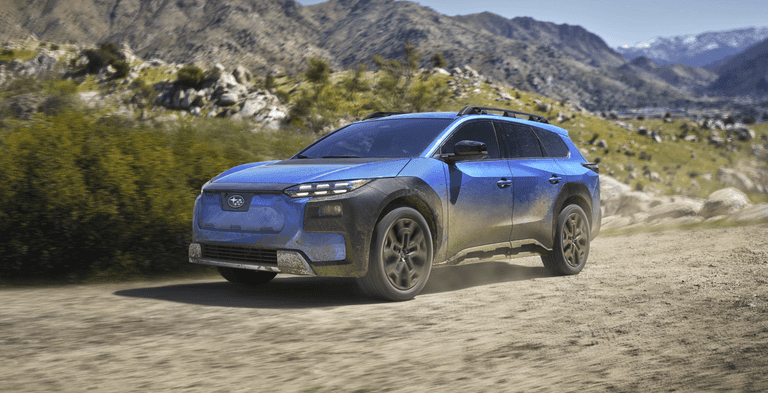
The Subaru Trailseeker is designed for drivers who want everyday comfort, practical SUV versatility, and the confidence to take on new roads.
Hybrid vehicles use a gasoline engine and an electric motor to help improve fuel efficiency. The hybrid battery recharges as you drive so you can keep your routine the same while saving fuel.
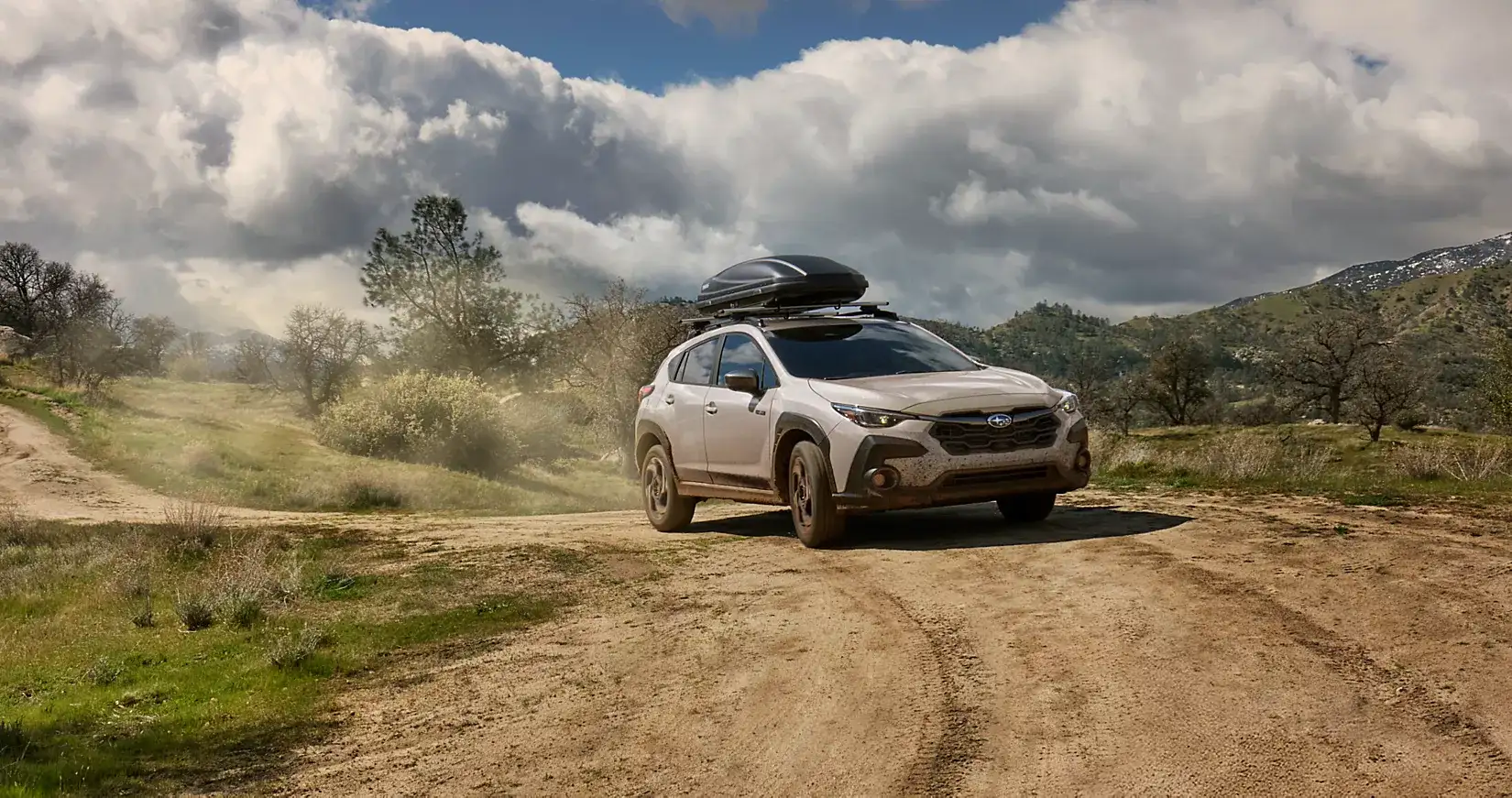
A compact SUV hybrid that adds efficiency while keeping Subaru all weather confidence for everyday driving.
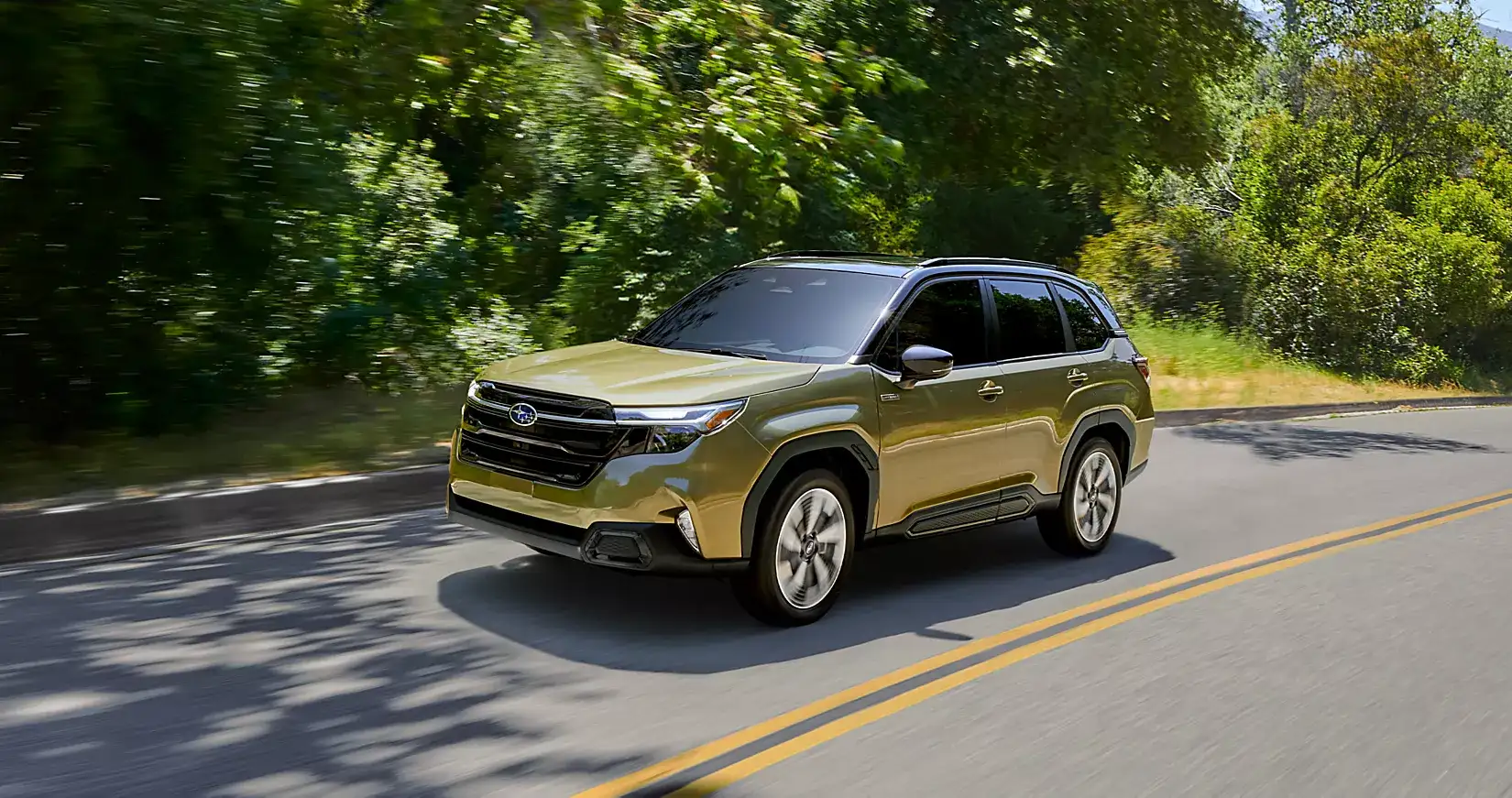
A hybrid SUV that pairs Subaru versatility with improved efficiency and lower emissions for commuting and road trips.
Find nearby EV chargers and plan your route in seconds using our charging station locator.
Charging time depends on battery level, temperature, charger type, and equipment. These basics help you plan at home and on the go.
Electric vehicles can make everyday driving simpler, with potential savings and a smoother commute depending on your charging access and local programs.
With no tailpipe emissions, a Subaru EV is a great option for drivers who want to reduce gasoline use and enjoy quiet electric driving.
Owning a Subaru EV may qualify you for tax credits and state or local incentives depending on your location and program eligibility.
Incentives can change and not all vehicles or buyers qualify.
Charging at home can reduce fuel stops and make your routine easier. Actual savings vary based on electricity rates, driving habits, and charging access.
EVs are simpler to maintain than many gas vehicles and do not require the same engine oil services. You should still stay on top of items like tires,
brakes, wiper blades, and other wear components.
Certain states allow electric vehicles to access high occupancy vehicle lanes. Rules vary by location and program requirements.
Subaru hybrid models are designed to deliver greater fuel efficiency and lower emissions while keeping the capability drivers expect.
Get quick answers about Subaru EVs, hybrids, charging, range, incentives, and maintenance.
An electric vehicle is powered by a battery and must be charged. A hybrid uses a gasoline engine plus an electric motor to improve efficiency, and the hybrid battery recharges as you drive through regenerative braking. Your best fit often depends on your commute, charging access, and how often you take longer road trips.
Regenerative braking captures energy when you slow down and sends it back to the hybrid battery. This helps improve efficiency and can reduce wear on traditional brake components over time, although regular brake service is still required.
Many hybrids can automatically shut off the gas engine at stops and restart when you accelerate. This reduces idling and can help improve fuel economy in stop and go driving.
A plug in hybrid combines a gasoline engine with a larger battery that can be charged using a 120V or 240V outlet. When the battery charge is used, it operates like a traditional hybrid. Availability varies by manufacturer, model, and model year.
Most hybrids follow normal maintenance for the gasoline engine, plus routine wear items like tires, brakes, and wiper blades. Regenerative braking can reduce mechanical brake wear, but it does not eliminate brake service. Always follow the manufacturer maintenance schedule.
EVs typically have fewer moving parts than many gas vehicles and do not require oil changes. You still need routine maintenance such as tire rotations, brake inspections, wiper blades, and other wear items.
Battery lifespan varies by vehicle, usage, climate, and charging habits. Many drivers can expect long service life, and warranties differ by manufacturer and model year. For the most accurate coverage details, refer to your vehicle warranty or contact our team.
EV range varies by vehicle, battery size, driving speed, temperature, terrain, and accessories. Many modern EVs are well suited for commuting and daily driving, especially if you can charge at home or work.
Range anxiety is the concern that an EV may not reach the next charging station or destination with the remaining charge. Planning routes, charging at home when possible, and using public charging maps can help reduce range anxiety.
Charge time depends on the charger type (Level 1, Level 2, or DC fast charging), battery level, temperature, and charging equipment. DC fast charging can be the quickest option when available for longer trips.
Yes. Many drivers use a standard household outlet (Level 1) or install a Level 2 home charger for faster charging. Charging setup depends on your home electrical capacity and equipment.
You can use our charging station locator to find nearby public chargers and plan your route.
Incentives may be available depending on your location, vehicle eligibility, and program rules. Incentives can change and not all buyers or vehicles qualify. We can help you review current offers and options.
Some states allow qualifying EVs to use high occupancy vehicle lanes, often with specific decals or program requirements. Eligibility varies by state and may change over time.
These future Subaru EV models are coming soon. Timing, trims, pricing, and final specifications are subject to change. Contact us or use the Reserve Yours option to stay updated.
Information is provided for general educational purposes and may change without notice. Specifications, features, availability, and equipment may vary by model year, trim, options, and region.
Future model information for Subaru Uncharted and Subaru Trailseeker is preliminary and subject to change. Final specifications, features, charging performance, and range will vary and may not be available at the time of publication.
Charging times and range estimates vary with driving conditions, weather, terrain, temperature, battery condition, charger power, and charging equipment. Actual results will vary.
The tradename Subaru Motors Finance (SMF) is owned by Subaru of America, Inc. (Subaru) or its affiliates and is licensed to JPMorgan Chase Bank, N.A. (Chase). Subaru is solely responsible for its products and services and for promotional statements about them and is not affiliated with Chase or its affiliates. Auto finance accounts are owned by Chase and are subject to credit approval, terms, and conditions.
Based on U.S. average utility charging rate per Department of Energy, October 2021.
Tax credits, rebates, and other incentives vary by location, vehicle, and program eligibility and may change without notice. This page is not tax or legal advice. Please consult the applicable program administrator or a qualified tax professional for current details.
HOV lane and carpool lane access varies by state and program requirements. Eligibility rules, decals, and expiration dates may apply.
EV range and charging times vary by model, battery size, driving conditions, terrain, weather, temperature, battery condition, and charging equipment. Any range examples are general estimates and are not a guarantee of real world results.
Hybrid fuel economy and MPG vary by model, trim, driving conditions, and maintenance. Any MPG examples are general estimates and are not a guarantee.
Tax credits, rebates, and other incentives vary by location, vehicle eligibility, and program rules and may change without notice. This page is not tax or legal advice. Please consult the applicable program administrator or a qualified tax professional for current details.
HOV lane and carpool lane access varies by state and program requirements. Decals, registration, and expiration dates may apply.
Battery life expectations vary by vehicle, usage, climate, and charging habits. Refer to the manufacturer warranty for coverage details and limitations.
Maintenance statements are general in nature. EVs and hybrids still require routine service and wear item replacement, including tires, brakes, and wiper blades. Always follow the manufacturer maintenance schedule.
Browse current availability or reserve a coming soon model and we will keep you updated.