



Should You Use Your Tax Refund to Buy a Subaru in Oregon?

Tax season can feel like a reset button. If you are getting a refund, you may be thinking about upgrading to something safer, newer, and better in Oregon rain and winter weather.
But here is the key: a tax refund is a one-time boost. Your car payment is not.
This guide explains a simple budget rule called the 20/4/10 rule and shows how Oregon shoppers can use it to decide whether a Subaru fits their real-life budget, not just a “sounds good today” monthly payment.
What will you learn in this tax season Subaru buying guide?
This article covers:
- What the 20/4/10 rule means (in plain language)
- How a tax refund can help you reach a 20% down payment
- Why loan length matters as much as the payment
- What costs belong in the “10%” (payment plus real ownership costs)
- Oregon costs to plan for, including DMV title and registration fees
- Why popular models like Crosstrek, Forester, Outback, and Impreza often fit budget-focused shopping
- How Subaru Certified Pre-Owned can help you stay within the rule
What is the 20/4/10 rule for car buying?
The 20/4/10 rule is a simple affordability guideline:
- 20% down payment
- 4-year loan term (or less)
- 10% or less of your monthly income goes to total transportation costs
It is not meant to be perfect for every person. It is a guardrail to keep your car costs from taking over your budget.
What does the “10%” include?
Transportation costs are more than the payment. J.D. Power explains that the 10% bucket includes:
- Monthly car payment
- Insurance
- Fuel
- Maintenance
The Consumer Financial Protection Bureau (CFPB) also warns that if you only calculate your payment based on the list price, you miss longer-term costs like maintenance, gas, and insurance.
How can your tax refund help you reach the 20% down payment target?
Tax refunds are popular for car buying because they can help you build a down payment quickly.
A larger down payment can help you:
- Borrow less
- Reduce interest paid overtime
- Lower the chance you end up “upside down” early (owing more than the car is worth)
Tip for Oregon shoppers: Your refund does not need to cover the full 20% by itself. Many buyers combine:
- Tax refund
- Trade-in value
- A smaller amount of savings (if it is safe for you)
Why does the 20/4/10 rule recommend a 4-year loan?
Longer loans can make a payment look cheaper. But loan length affects how much you pay overtime.
Capital One notes that a four-year loan can help limit interest because you pay it off faster.
The CFPB also lists loan length as a factor that influences what you will pay over the life of the loan and encourages shoppers to compare lenders and terms.
What costs should you include so you stay under 10% per month?
Before you decide what you can afford, build a simple monthly list:
- Car payment
- Insurance
- Fuel (or charging)
- Routine maintenance (oil changes, tires, filters)
- A small repair buffer
- Registration and fees (spread across the year)
If you want a tool that breaks down ownership costs, Edmunds explains that its True Cost to Own tool includes categories people often forget, including depreciation, loan interest, taxes and fees, insurance, fuel, maintenance, and repairs.
What Oregon costs should you plan for when buying a car?
Oregon shoppers often hear “no sales tax,” and that is mostly true in the way most people mean it.
The Oregon Department of Revenue states that Oregon does not have a general sales tax.
But you still need to budget for DMV costs.
Oregon DMV’s vehicle fee page highlights:
- Title and registration fees (and an online fee calculator)
- Fees changing starting Dec. 31, 2025 (with a note that some tools may not yet reflect the increases)
- Registration fees that vary based on factors like MPG and may include county fees depending on where the car is kept
If you are building a “real” budget, include these Oregon DMV costs from the start, not at the end.
Which Subaru models often fit well within the 20/4/10 rule?
The right Subaru depends on your budget, your commute, and what you need the vehicle to do.
For Oregon drivers who want a practical daily driver plus weekend flexibility, these models are common starting points.
Is the Subaru Crosstrek a good fit for budget-focused Oregon shoppers?
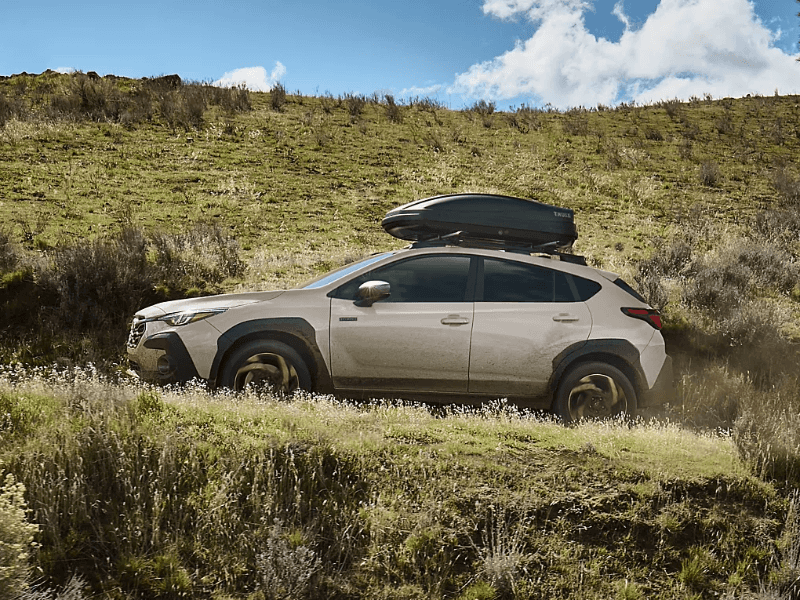
2026 Crosstrek includes:
- Standard Symmetrical All-Wheel Drive
- Standard EyeSight Driver Assist Technology
If you are worried about long-term value, Kelley Blue Book named the Subaru Crosstrek the 2025 Best Resale Value winner in the Subcompact SUV/Crossover category.
That matters because Kelley Blue Book points out depreciation can be one of the biggest ownership expenses, and stronger resale value can change the real cost over time.
Is the Subaru Forester a smart option for a practical commute and weekend plans?
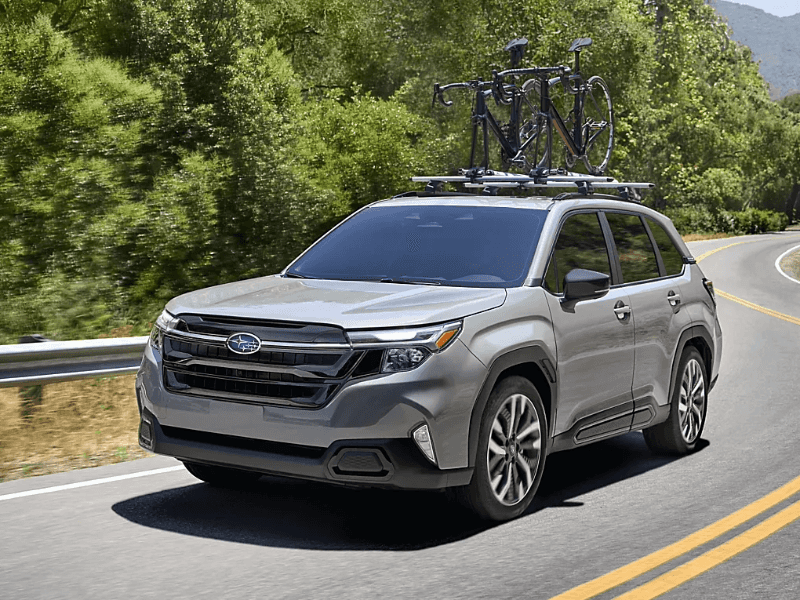
Subaru Forester highlights:
- Standard Symmetrical All-Wheel Drive
- Standard EyeSight Driver Assist Technology
For shoppers in Wilsonville who want to hike or head to the coast, the Forester is often on the shortlist because it balances everyday comfort with year-round traction features.
Can the Subaru Outback still make sense if you want more space?
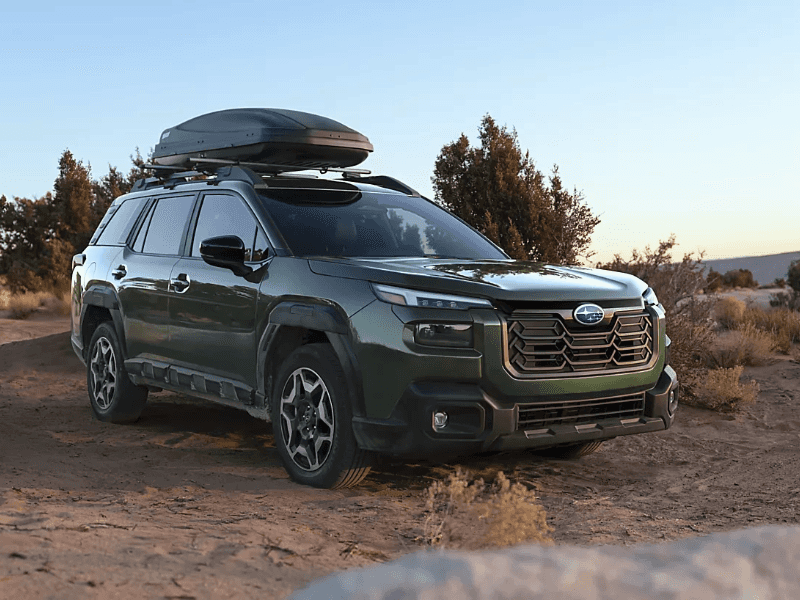
2026 Outback includes:
- Standard Symmetrical All-Wheel Drive
- Standard EyeSight Driver Assist Technology
If you want more cargo room for road trips, outdoor gear, or family life, the Outback can be a great fit. Just make sure the trim level you choose still passes the “10% total monthly cost” test.
Is the Subaru Impreza a good option if you want AWD in a smaller footprint?
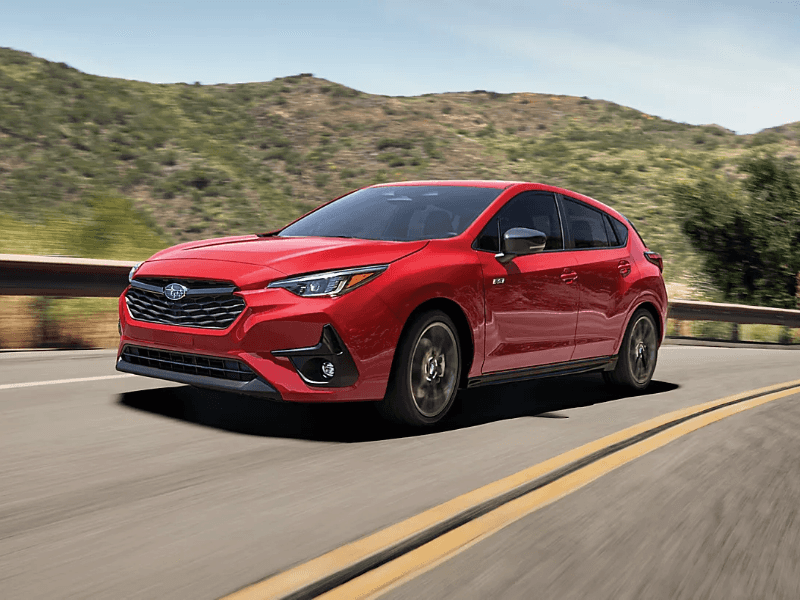
2026 Impreza includes:
- Standard Symmetrical All-Wheel Drive
- Standard EyeSight Driver Assist Technology
If you want a smaller vehicle that still handles wet roads and winter conditions, Impreza can be worth comparing against the Crosstrek in your price range.
How do Subaru all-wheel drive and safety features connect to affordability?
In Oregon, many shoppers choose Subaru because traction and confidence matter in rain, road spray, and winter driving.
Subaru explains AWD as a drivetrain system designed to help with control and stability in harsh weather and varied road conditions.
At the same time, Subaru also notes an important affordability reality: some AWD vehicles can have a higher sticker price and higher maintenance costs than non-AWD vehicles.
So here is the budget-friendly takeaway:
- AWD can be a great fit for Oregon conditions.
- But you still need to run the 20/4/10 numbers, so capability does not become a financial stretch.
Can Subaru Certified Pre-Owned help you stay within the 20/4/10 rule?
If you are close to meeting the rule, but new pricing feels high, Certified Pre-Owned (CPO) can be a smart middle path.
Subaru’s Certified Pre-Owned highlights:
- A 152-point inspection
- Factory-backed 7-year/100,000-mile powertrain coverage (with $0 deductible noted)
- A CARFAX vehicle history report
- Special finance rates (availability and terms vary)
Subaru also states that 97% of Subaru vehicles sold in the last 10 years are still on the road today.
For many tax-season shoppers, CPO is one of the easiest ways to get into the Subaru brand while keeping the loan amount and monthly costs more manageable.
How can you apply the 20/4/10 rule to your Subaru budget in about 10 minutes?
Here is a simple step-by-step approach:
- Find your gross monthly income (before taxes).
- Multiply it by 10% to get your total monthly transportation cap.
- Estimate your non-payment monthly costs:
- Insurance
- Fuel
- Maintenance
- Subtract those costs from your 10% cap. What is left is your target payment range.
- Use your refund (plus trade-in) to work toward 20% down.
- Try to keep the loan at 48 months or less.
- Add Oregon DMV title/registration and any county fees to your plan, so the out-the-door number does not surprise you.
- Compare ownership costs across models using a tool that includes depreciation, taxes/fees, insurance, fuel, and maintenance.
What should you do next at Wilsonville Subaru?
If you want to buy during tax season and still feel good about it in six months, keep it simple:
- Set a down payment target using your refund.
- Choose one or two Subaru models to compare such as the: Crosstrek, Forester, Outback, Impreza, or CPO.
- Ask a Wilsonville Subaru Guest Advocate to structure options that fit your budget rule, not just a monthly payment.
Helpful Resources
Disclaimer: Wilsonville Subaru and its affiliates do not provide tax, legal, or accounting advice. This material has been prepared for informational purposes only and is not intended to provide, and should not be relied on for, tax, legal, or accounting advice. You should consult your own tax, legal, and accounting advisors before engaging in any transaction.
Sources
- J.D. Power (definition of the 20/4/10 rule and what “transportation costs” include)
- Capital One Auto Navigator (why the guideline can help; down payment and interest considerations; guideline disclaimer)
- Consumer Financial Protection Bureau (CFPB) (why you should include maintenance, gas, insurance, fees; loan length and shopping lenders)
- Edmunds True Cost to Own (ownership cost categories like depreciation, taxes/fees, insurance, fuel, maintenance, repairs)
- Oregon Department of Revenue (Oregon does not have a general sales tax)
- Oregon DMV (vehicle title/registration fee guidance; fee calculator; Dec. 31, 2025 fee changes; MPG/county fee notes)
- Subaru official model pages:
- 2026 Crosstrek features (standard AWD, standard EyeSight)
- 2026 Forester features (standard AWD, standard EyeSight)
- 2026 Outback features (standard AWD, standard EyeSight)
- 2026 Impreza features (standard AWD, standard EyeSight)
- Subaru article on AWD (AWD definition; note that AWD models can have higher sticker price and maintenance costs)
- Subaru Certified Pre-Owned program page (152-point inspection; 7-year/100,000-mile powert; Subaru “97% still on the road” claim)
- Kelley Blue Book press release (depreciation/resale value importance; 2025 Best Reinner: Subaru Crosstrek for Subcompact SUV/Crossover)
- Subaru of America (model images)
0 comment(s) so far on Should You Use Your Tax Refund to Buy a Subaru in Oregon?