



When Do I Rotate My Tires?
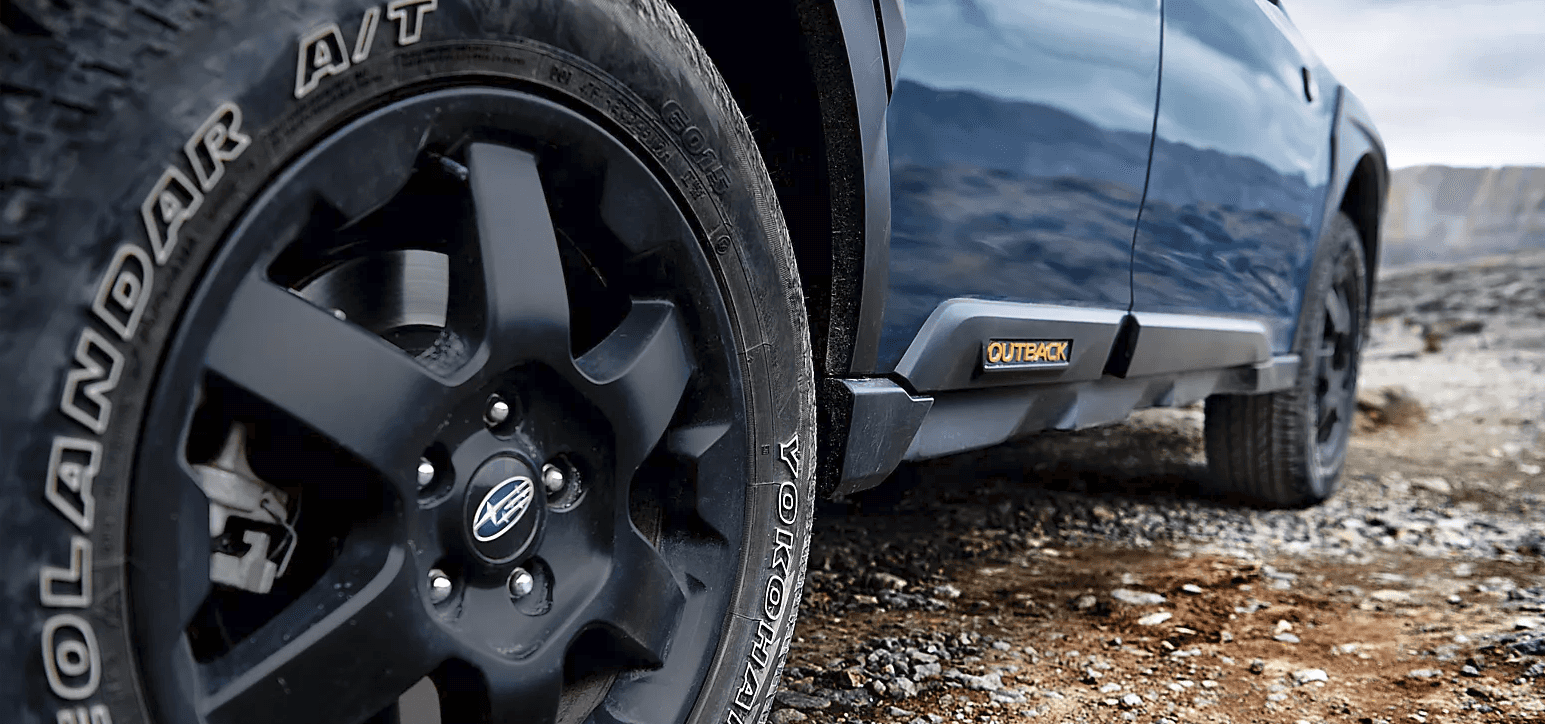
Tire rotation is one of the simplest yet most essential parts of vehicle maintenance—especially for drivers in the Pacific Northwest, where wet roads, winding highways, and seasonal shifts make road conditions unpredictable. For Subaru drivers who count on their vehicles to handle everything from rainy commutes to weekend mountain getaways, staying on top of tire rotations helps ensure safety, performance, and long-term savings.
Why Tire Rotation Matters
Tires don’t wear evenly on their own. The front tires typically wear faster due to steering and braking forces, especially on all-wheel drive (AWD) vehicles like the Subaru Outback. Rotating your tires regularly distributes wear more evenly across all four tires. This helps:
- Extend the life of your tires
- Maintain optimal traction and handling
- Improve fuel efficiency
- Reduce stress on suspension components
For drivers navigating Wilsonville’s mix of suburban traffic, rainy conditions, and weekend drives through the Cascades or to the Oregon Coast, regular tire rotation ensures your Subaru handles every curve and climb with confidence.
How Often Should You Rotate Your Tires?
Subaru recommends rotating your tires every 6,000 miles or six months—whichever comes first. This interval lines up well with Oregon’s seasonal transitions, so many Subaru owners time their rotations with spring and fall service appointments.
If your driving habits include frequent highway commutes on I-5, stop-and-go traffic around Portland, or hauling outdoor gear, you may benefit from more frequent rotations.
What Happens If You Skip It?
Skipping tire rotation can lead to uneven wear patterns, reducing your tires’ effectiveness and lifespan. This affects:
- Traction on wet or uneven roads
- Emergency braking performance
- Cornering stability
Uneven wear may also void tire warranties, leading to premature replacements and unexpected costs.
Signs Your Tires Need Rotation
Even with a regular schedule, watch for signs like:
- Uneven tread depth
- Vibration at higher speeds
- Handling that feels less stable
- Noticeable tread wear differences between front and rear tires
If you notice any of these, it’s a good idea to bring your vehicle in for a rotation and inspection.
Pair Rotations with Seasonal Maintenance
Oregon’s mild winters and wet springs make it especially important to maintain proper tire tread and balance. Pairing tire rotations with routine seasonal maintenance (like oil changes, brake inspections, and windshield wiper replacements) helps your Subaru stay ready for anything—from slick roads in November to dry road trips in July.
Visit the Tire Experts at Wilsonville Subaru
At Wilsonville Subaru, our certified technicians rotate your tires using Subaru’s recommended patterns tailored to AWD vehicles like yours. Every visit includes a tire pressure check, tread depth evaluation, and a thorough inspection to keep your Subaru performing at its best on Oregon roads.
Ready for a tire rotation?
Schedule your service with Wilsonville Subaru today—we’re here to help you get the most out of every mile.
Sources
- Subaru of America. “Tire Rotation.” https://www.subaru.com/owners/car-care-tips/tire-rotation.html
- Image
0 comment(s) so far on When Do I Rotate My Tires?